One of the most common questions ValueSwap users ask is why the same gift card can be worth more in one country and less in another. In 2026, as gift card trading becomes more structured and data-driven, understanding regional gift card pricing is no longer optional, it is essential if you want to trade smartly. This guide explains, in detail, why gift card rates differ across regions and how ValueSwap uses these differences to offer fair, transparent pricing.
On ValueSwap, users in Nigeria and Ghana often notice that US gift cards attract higher payouts than UK or EU cards, or that rates change depending on card origin. These differences are not random. They are driven by real economic, technical, and demand-based factors that shape the global gift card market.
How Gift Card Rates Are Actually Determined
Gift card rates are not based on the face value printed on the card. Instead, the rate reflects how easily that card can be converted into usable value by buyers. On ValueSwap, a gift card is treated as a digital asset whose price depends on liquidity, usability, and resale demand.
When a gift card can be spent easily across multiple platforms and regions, buyers are more willing to pay higher rates for it. When a card is restricted, difficult to redeem, or limited to specific locations, its resale value drops. This pricing logic applies universally, whether the trade happens in Nigeria, Ghana, or elsewhere.
ValueSwap continuously evaluates these conditions to ensure users see realistic rates that match actual market behavior.
Why Regional Demand Has the Biggest Impact on Rates
Demand is the single most powerful factor affecting gift card rates across regions. A gift card is only valuable if there are enough buyers who want to use it.
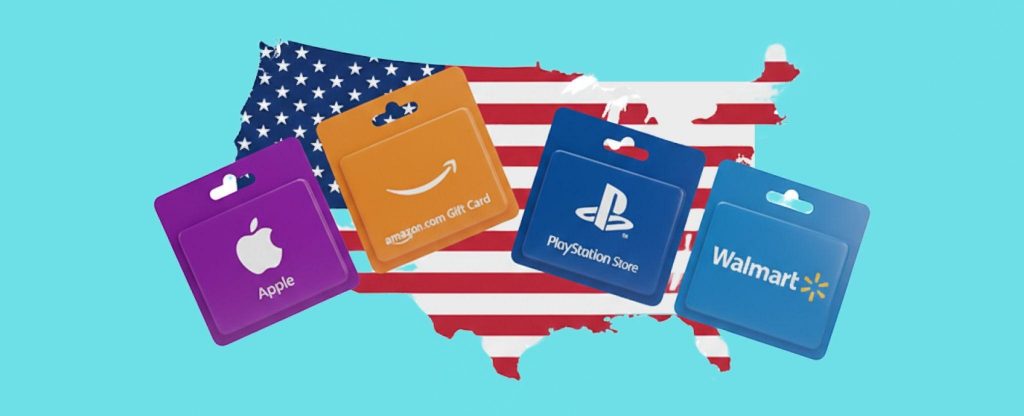
For example, US-issued gift cards are in constant demand because many global platforms prioritize US accounts and billing systems. This makes US gift cards highly liquid, which is why ValueSwap users consistently see higher rates for them.
In contrast, gift cards restricted to smaller or more regulated regions often face lower demand. Even if the card has the same face value, fewer buyers are willing or able to use it, which naturally reduces the exchange rate. This demand-driven pricing is why ValueSwap rates can differ significantly between cards that appear similar on the surface.
The Role of Regional Restrictions and Merchant Policies
Many gift cards are locked to specific regions due to merchant policies, tax rules, and fraud prevention systems. These restrictions directly affect how easily a card can be redeemed.
For example, some UK or EU gift cards require local addresses, phone numbers, or in-store usage. For ValueSwap users in Nigeria and Ghana, these requirements make direct usage almost impossible. As a result, fewer buyers are interested in these cards, which lowers demand and, consequently, the rate.
ValueSwap factors these redemption limitations into its pricing model to protect users from unrealistic expectations and failed trades.
Why US Gift Cards Consistently Offer Better Value on ValueSwap
US gift cards dominate the global resale market because they are compatible with most international platforms. Whether it’s Apple, Amazon, Steam, Nike, or Google Play, US cards usually work with fewer restrictions.
This global compatibility increases buyer confidence, which pushes demand higher. On ValueSwap, this translates into better rates for users trading US gift cards in Nigeria and Ghana.
Currency Strength and Economic Stability Matter
Currency value plays a subtle but important role in regional gift card pricing. Gift cards tied to stronger currencies generally retain more purchasing power, making them more attractive to buyers.
When ValueSwap offers USDT payouts, currency stability becomes even more important. Cards linked to unstable or volatile currencies often attract lower rates because buyers factor in potential losses during conversion.
By accounting for currency strength, ValueSwap ensures users receive pricing that reflects real economic conditions rather than misleading face values.
Why Gift Card Rates Differ: Supply, Seasonality, and Market Timing
Gift card rates also fluctuate based on supply. During peak periods, such as holidays, sales seasons, or major promotions, more gift cards enter the market. If supply increases faster than demand, rates may temporarily drop.
At other times, limited availability of certain cards can push rates higher. ValueSwap adjusts rates dynamically to reflect these changes, ensuring users are not locked into outdated pricing.
Understanding timing helps ValueSwap users choose when to trade for maximum value.
Why Rates Can Differ Even Between Nigeria and Ghana
Although Nigeria and Ghana share similar gift card markets, small differences still exist. Payment preferences, buyer networks, and transaction volumes vary slightly between the two countries. ValueSwap accounts for these regional nuances to provide fair pricing instead of forcing identical rates across markets. This localized approach improves accuracy and trust.
Unlike informal traders who guess or manipulate prices, ValueSwap relies on real market data. Rates are influenced by Active buyer demand, Card usability across regions, Redemption risk, Currency stability and Market supply. This data-driven approach ensures users understand why a rate is what it is, rather than feeling cheated or confused.
Many social media traders offer inconsistent rates because they lack access to real market data or deliberately exploit users’ lack of information. This leads to underpayments, disputes, and scams. ValueSwap removes this uncertainty by displaying clear rates upfront and honouring them once verification is complete.
Conclusion: Why Gift Card Rates Differ
Gift card rates differ across regions because markets differ. Demand, restrictions, currency strength, and buyer behavior all influence pricing. When you understand these factors, you trade smarter. When you use a transparent platform like ValueSwap, you trade safely and fairly.
Don’t guess your gift card’s worth or accept unfair regional pricing. Check real-time gift card rates and trade for cash or USDT on ValueSwap today.
Understand the market. Get fair value. Trade confidently on ValueSwap.