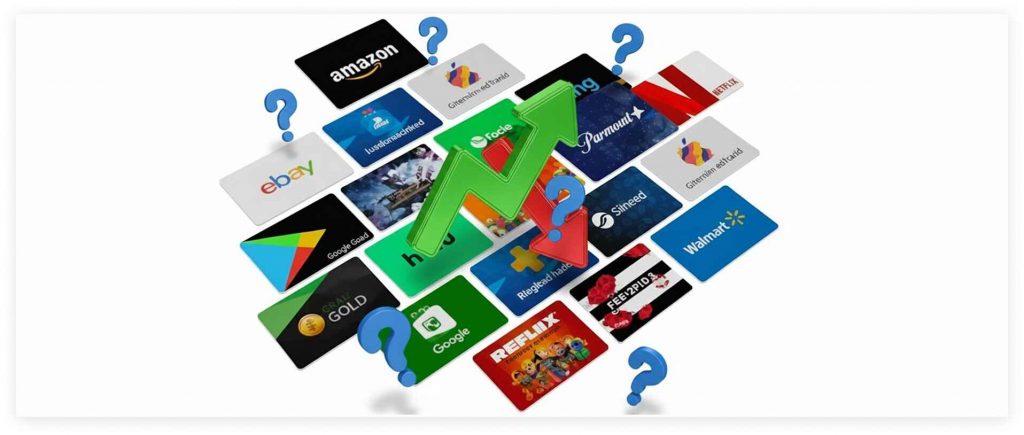
If you’ve ever tried to sell or swap a gift card in Nigeria or Ghana, you’ve likely noticed one frustrating thing: gift card rates never stay the same. A card that had a strong rate yesterday may drop today, while another suddenly becomes more valuable. This constant movement raises a common question among traders and everyday users alike: Why do gift card rates always change?
In 2026, gift card pricing is influenced by more factors than most people realize. Rates are not random, and they are not controlled by one company or platform. Instead, they respond to real-time market conditions, global demand, and local economic realities.
This article breaks down the real reasons behind gift card rate changes, explains what affects value the most, and shows how users in Nigeria and Ghana can trade smarter despite these fluctuations.
Gift Card Rates Are Market-Driven, Not Fixed
Unlike retail prices, gift card exchange rates are not fixed. They operate in an open market, similar to foreign exchange or digital assets. When demand rises, rates improve. When demand drops, rates fall.
This is why two people selling the same gift card at different times may receive different payouts. The value of a gift card is determined by how many buyers want it and how easy it is to resell or use at that moment.
Demand plays the most significant role in gift card pricing. Some gift cards are consistently in high demand, such as Amazon, Apple, and American Express. Others experience spikes during specific seasons or events.
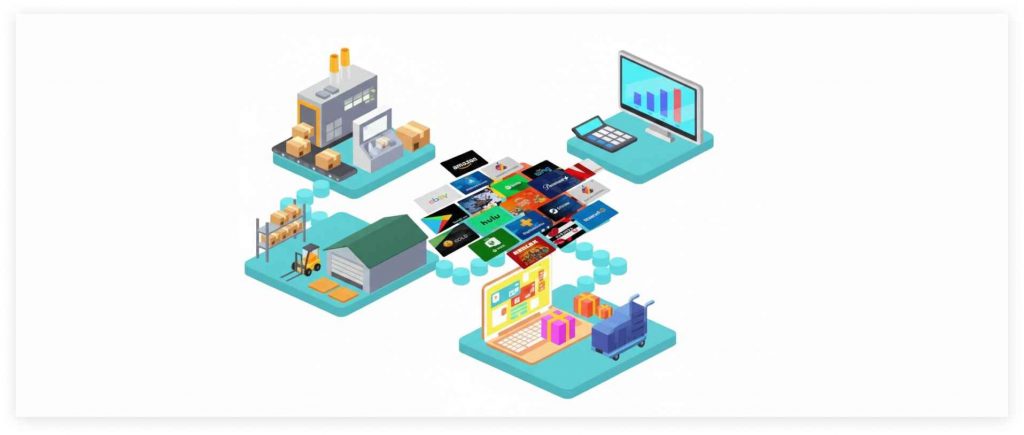
For example, shopping periods, game releases, subscription renewals, or promotional campaigns can increase demand for certain cards. When demand increases, rates rise. When demand slows, rates naturally drop. This demand-based pricing is especially noticeable in Nigeria and Ghana, where gift card trading has become a major alternative payment channel.
Supply Affects How Much Your Card Is Worth
Just as demand matters, supply also plays a major role. When many users are selling the same type of gift card at the same time, the market becomes saturated. This often leads to lower rates.
On the other hand, when fewer people are selling a particular gift card, buyers may offer higher rates to secure supply. This balance between supply and demand constantly shifts, which is why rates are rarely stable for long.
Not all gift cards behave the same way. Multi-purpose gift cards that can be used across many platforms tend to hold stronger and more stable rates. Brand-specific cards may fluctuate more depending on user interest.
For example, a card that can be used globally for shopping, entertainment, and services will generally trade better than a card tied to a single niche service. This is why high-demand brands often maintain better rates on platforms like ValueSwap.
Region and Currency Differences Influence Rates
Gift cards are often issued for specific regions, such as U.S., UK, or EU markets. Regional restrictions affect how easily a card can be used or resold.
A U.S. gift card may be in higher demand than a region-locked alternative simply because it has broader usability. Currency strength also matters. When foreign currencies strengthen against local currencies, gift cards denominated in those currencies may trade at better rates.
This is one reason gift card rates in Nigeria and Ghana can change even when nothing appears to have changed locally.
Fraud Risk and Verification Costs
Another hidden factor behind rate changes is risk management. Gift card platforms must account for fraud attempts, invalid cards, and chargeback risks. When fraud increases for a particular card type, platforms may lower rates to offset potential losses.
Verification processes also vary by card type. Cards that are easier to verify and resell tend to maintain more stable rates. Cards that require additional checks or carry higher risk may see frequent rate adjustments.
Timing is often overlooked, but it matters. Rates can change based on the time of day, day of the week, or even current trading volume. During periods of high activity, rates may shift more frequently. Quiet periods may offer steadier pricing, but sometimes at slightly lower rates. Experienced traders often monitor trends rather than rushing to sell at the first available rate.
Why Gift Card Rates Always Change and Why Rates Differ Across Platforms
Different platforms may offer different rates for the same gift card. This doesn’t necessarily mean one platform is cheating users. Each platform has its own buyer network, operating costs, and risk policies.
Platforms like ValueSwap adjust rates dynamically based on real-time market conditions. This ensures sustainability while still offering competitive payouts for both cash and USDT options. You can view current rates and available gift cards directly on ValueSwap.
In 2026, many platforms offer both cash and USDT payouts. These options may come with different rates depending on market demand and liquidity.
USDT often provides stability and faster cross-border settlement, while cash is preferred for immediate local spending. Rate differences between the two are usually tied to liquidity and processing costs rather than favoritism. The advantage is having the choice.
Why Gift Card Rates Always Change: Common Misconceptions About Gift Card Rate Changes
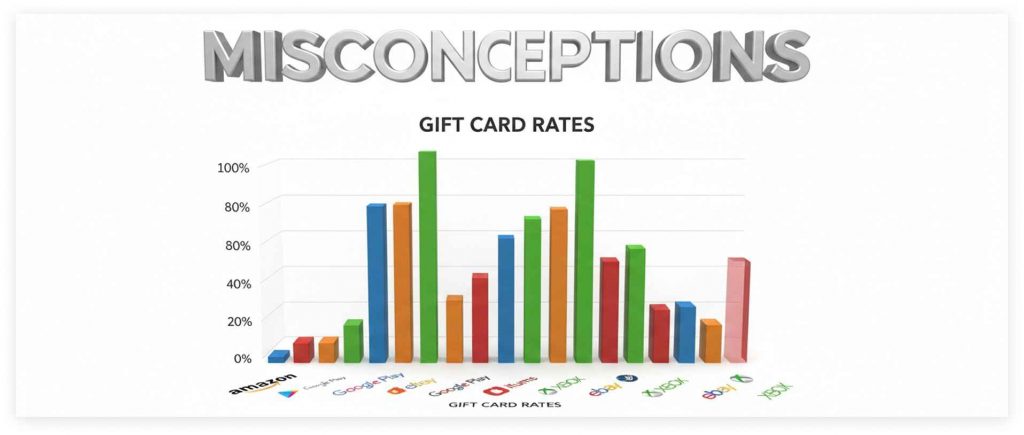
Many users assume rate changes are arbitrary or designed to shortchange sellers. In reality, rates are driven by market forces beyond any single platform’s control.
Another misconception is that rates will improve if you complain or delay too long. While timing can matter, waiting without understanding the market can also result in lower value.
How to Trade Smarter Despite Changing Rates
Understanding why rates change helps you trade more confidently. If you hold a high-demand gift card, you already have an advantage. Monitoring trends and choosing the right time to trade can make a noticeable difference.
Using a structured platform also reduces risk and removes guesswork. Platforms that provide transparent pricing and support allow you to make informed decisions. For assistance or questions, ValueSwap support is available on WhatsApp at +33758692927.
Gift card rates change because value itself is dynamic. Markets move, demand shifts, and conditions evolve. This doesn’t make gift cards unreliable; it makes them responsive. In many ways, gift card trading mirrors other digital markets where flexibility is a strength, not a weakness.
Conclusion: Why Gift Card Rates Always Change
So why do gift card rates always change? Because gift cards are part of a living market shaped by demand, supply, timing, risk, and global economic factors. Understanding these elements helps you avoid frustration and make better trading decisions.
In Nigeria and Ghana, gift cards remain a powerful way to receive and move value, especially when paired with platforms that allow conversion to cash or USDT.
If you’re ready to trade with clarity instead of guesswork, you can start on ValueSwap today.