Money is no longer just physical cash or bank balances. Digital currencies now play a major role in global transactions. Two terms often confused are USD vs USDT. Although they sound similar, they function very differently in practice.
Understanding the difference between USD and USDT is essential in today’s digital economy. This is especially true for people involved in gift card trading, crypto payments, and cross-border transfers. In 2025, this knowledge directly affects speed, value, and financial flexibility.
This guide explains how USD and USDT differ, how they are used, and why many traders now prefer one over the other.
What USD Really Means in Everyday Transactions
USD refers to the United States Dollar. It is a government-issued fiat currency backed by the U.S. government. USD exists physically as cash and digitally in bank accounts.
When people receive USD, it usually arrives through bank transfers, wire payments, or card settlements. These methods rely on traditional banking systems. Banks impose operating hours, processing delays, and regulatory checks.
While USD remains the world’s most recognized currency, moving it across borders can be slow and expensive. Exchange rates, intermediary banks, and local regulations often reduce the final value received.
What USDT Is and Why It Was Created

USDT, also known as Tether, is a stablecoin. It is a digital currency designed to maintain a value close to one U.S. dollar. Unlike USD, USDT runs on blockchain networks.
USDT was created to combine the stability of the dollar with the speed of cryptocurrency. It allows users to move dollar-equivalent value instantly without relying on banks.
Because USDT exists on blockchains like TRON and Ethereum, it can be transferred globally within minutes. This makes it attractive for traders, freelancers, and digital asset users.
USD vs USDT: The Core Structural Difference
The main difference between USD and USDT lies in control and infrastructure. USD is controlled by banks and governments. USDT is controlled by blockchain protocols and issued by a private company.
USD transactions require intermediaries. USDT transactions are peer-to-peer. This distinction affects speed, transparency, and accessibility. USD can be frozen by banks. USDT can be held in private wallets. This difference shapes how users manage risk and liquidity.
Transaction Speed and Accessibility Compared
USD transfers often take hours or days. Weekends and holidays slow things further. International transfers can take even longer.
USDT transfers usually complete within minutes. Blockchain networks operate continuously without holidays. This 24/7 availability is a major advantage.
For users trading gift cards or digital assets, speed directly impacts value. Delays can mean lost opportunities or unfavorable rates.
USD vs USDT: Fees and Cost Efficiency
USD transfers involve bank charges, conversion fees, and hidden deductions. These costs increase with international transactions.
USDT transfers usually have predictable network fees. These fees are often lower, especially on networks like TRON. Users know the cost before sending funds. Lower fees make USDT more attractive for frequent traders and high-volume exchanges.
USD is stable because it is backed by a national economy. However, access to USD can be restricted by banking rules. USDT is stable because it is pegged to the dollar. Its value is designed to remain close to one USD at all times. While USDT is not government-issued, its stability makes it useful for holding value without exposure to crypto volatility.
Why USDT Is Popular in Gift Card Trading
Gift card traders prioritize speed and certainty. When converting gift cards, waiting for bank settlement can reduce value.
USDT allows instant settlement after successful gift card verification. Traders receive value quickly and can decide what to do next.
Platforms like ValueSwap integrate USDT payouts to eliminate bank delays. This gives users more control during high-demand trading periods.
USD vs USDT in Cross-Border Markets
Cross-border USD transfers face currency controls and compliance checks. In some regions, access to USD is limited.
USDT bypasses many of these barriers. Anyone with a compatible wallet can receive it. This accessibility has driven adoption in emerging markets.
For global gift card traders, this difference is significant.
Security Considerations for Both Options

USD security depends on banks and financial institutions. While banks offer protection, account freezes and reversals can occur. USDT security depends on wallet management. Users control their private keys. This increases responsibility but also autonomy.
Secure platforms reduce risk by combining blockchain transfers with professional verification systems. USD liquidity depends on banking access. Funds may be unavailable during downtime or regulatory reviews. USDT liquidity is continuous. It can be exchanged, transferred, or converted at any time. This flexibility explains why many users prefer USDT for short-term holding and fast trades.
ValueSwap supports both traditional and digital payout preferences. Users can convert gift cards into cash or USDT based on their needs. Dynamic pricing ensures fair value regardless of payout method. Secure processing protects transactions from fraud. By offering USDT options, ValueSwap aligns with modern trading preferences.
Conclusion: USD vs USDT
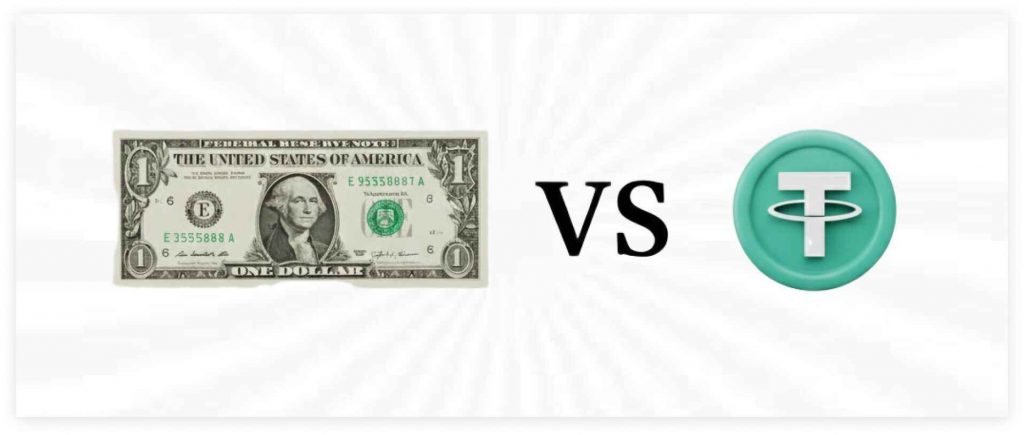
USD and USDT represent two different financial systems. USD relies on traditional banking infrastructure. USDT operates on blockchain technology.
Both serve important roles. However, USDT offers speed, accessibility, and flexibility that USD often cannot match. For digital traders and gift card users in 2025, understanding this difference is essential. Choosing the right option protects value and saves time.
Want to convert gift cards into fast-moving USDT instead of waiting on bank delays? visit ValueSwap to see current rates and trade securely in minutes.