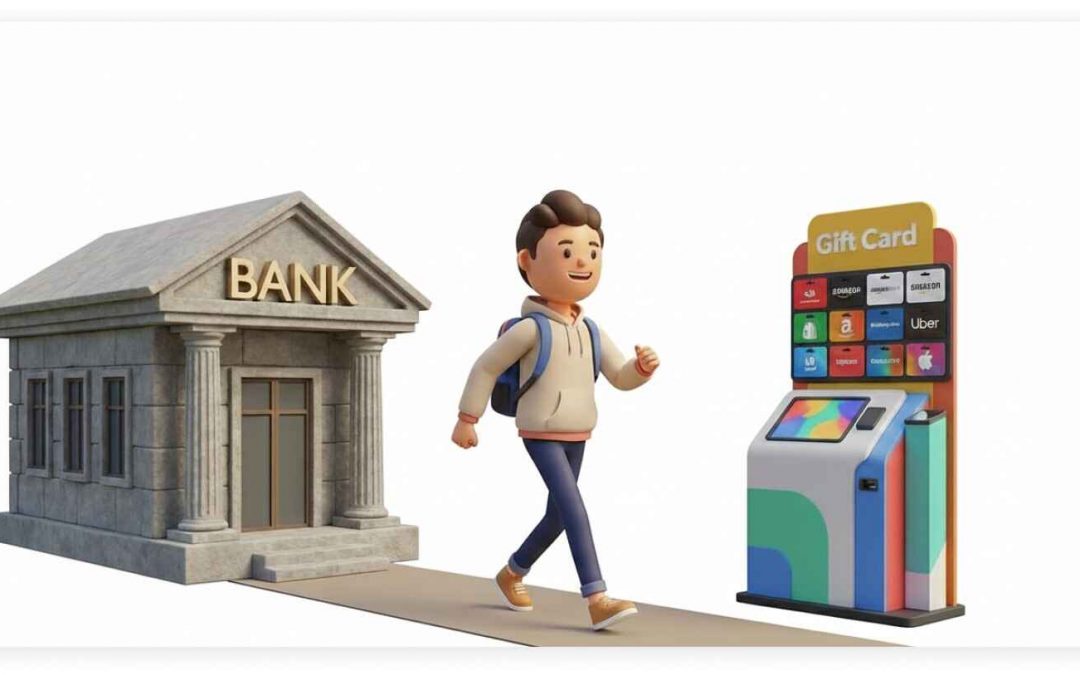
In 2025, a quiet shift is happening across Nigeria’s digital economy. More people are choosing gift cards over traditional bank transfers for online payments. What started as a workaround has now become a preferred option for many freelancers, shoppers, and digital earners. This change is not driven by hype. It is driven by reliability, speed, and control.
Bank transfers remain important, but their limitations have become more visible. Gift cards, on the other hand, offer predictability in a market filled with uncertainty. Understanding why this switch is happening helps traders and users make smarter financial decisions.
Why Bank Transfers Are Becoming Less Reliable
Bank transfers in Nigeria face frequent challenges. Delays are common, especially during peak periods. Failed transactions still occur without clear explanations. Many users experience pending transfers that take hours or even days to resolve.
International payments add another layer of difficulty. Some Nigerian bank cards do not work consistently on global platforms. Others attract high charges or sudden restrictions. These problems make bank transfers stressful for users who depend on speed.
As frustration grows, people naturally look for alternatives that work without repeated issues.
Gift Cards Offer Predictable Online Payment Access
Gift cards solve many of the problems bank transfers create. They are prepaid, which removes the risk of insufficient funds or declined transactions. Once verified, the value is guaranteed.
For online payments, predictability matters more than convenience. Gift cards work seamlessly on international platforms. They do not depend on Nigerian banking hours or local network issues. This reliability makes them attractive for users who value consistency.
People want payment methods that work the first time. Gift cards often meet that expectation better.
Why Freelancers Prefer Gift Cards Over Bank Transfers
Freelancers in Nigeria increasingly receive gift cards as payment. International clients often find gift cards easier than bank transfers. There are fewer delays and fewer compliance issues.
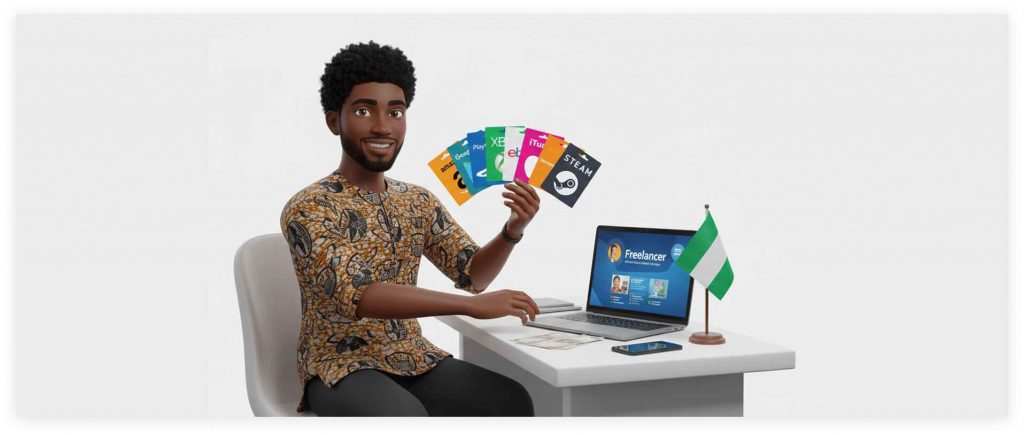
Once received, freelancers can decide how to use the card. They can redeem it for services or convert it to cash or USDT. This flexibility gives freelancers control over their earnings. It also protects value during currency fluctuations.
For many freelancers, gift cards now function as temporary digital wallets.
How Gift Cards Reduce Exposure to Currency Volatility
The naira’s volatility affects online earners deeply. Bank transfers convert immediately to naira, locking users into the current rate. Gift cards hold dollar value until conversion.
This delay gives users options. They can wait for better rates or convert to USDT for stability. This advantage becomes critical during periods of sharp currency movement. Gift cards offer time, and time often equals better value.
The Role of Crypto in Accelerating Gift Card Adoption
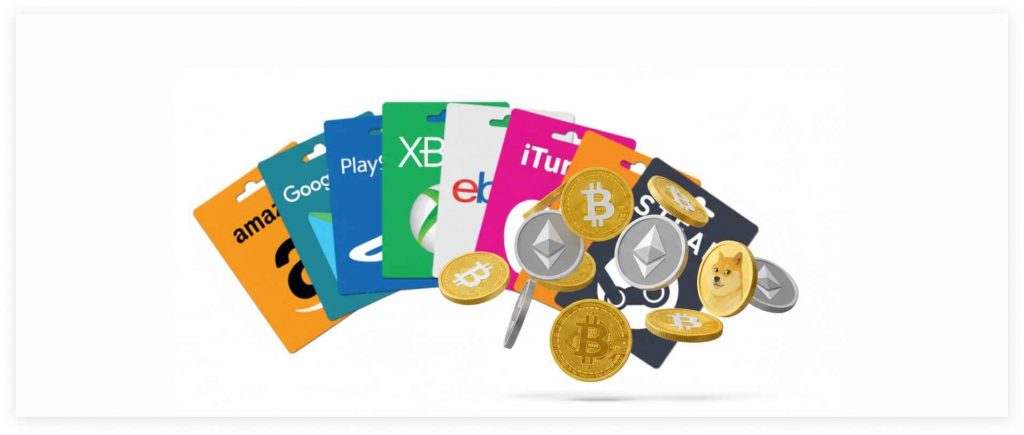
Crypto adoption has strengthened gift card usage. Many traders convert gift cards directly into USDT or Bitcoin. This process bypasses banks entirely.
USDT provides stability and fast access. Users can store value, send payments, or convert later. When combined with gift cards, crypto creates a flexible financial system that works around banking limitations. This synergy is one reason gift cards continue to gain relevance in Nigeria.
Why Online Platforms Encourage Gift Card Payments
Many global platforms prefer gift card payments. Gift cards reduce chargebacks and fraud risks. They also simplify payments for users in restricted regions.
Streaming services, gaming platforms, and digital stores all support gift cards heavily. As more Nigerians engage with these platforms, gift card usage increases naturally. This acceptance reinforces gift cards as legitimate payment tools rather than temporary substitutes.
Gift cards are not eliminating bank transfers. Instead, they are filling gaps banks cannot cover efficiently. Bank transfers still work well for local payments and large transactions.
However, for online payments, international services, and digital spending, gift cards offer advantages banks currently cannot match. The two systems now coexist, serving different needs. The growth of gift cards reflects adaptation, not abandonment.
Why Trading Platforms Matter in This Transition
As gift card usage grows, the need for secure conversion platforms increases. Users must be able to convert value safely and quickly. Delays or unclear pricing reduce confidence.
ValueSwap supports this transition by offering instant verification, dynamic pricing, and fast payouts. Users can choose cash or crypto depending on their needs. The platform’s availability ensures users can act when opportunities appear. Trust becomes essential as gift cards replace traditional payment methods.
Gift cards replacing bank transfers signals a deeper change. Nigerians are building parallel financial systems that prioritize efficiency. Digital assets now play a bigger role in daily transactions. This shift shows resilience and innovation. People adapt when systems fail to meet expectations. Gift cards represent flexibility in a challenging financial environment. As digital adoption increases, this trend is likely to continue.
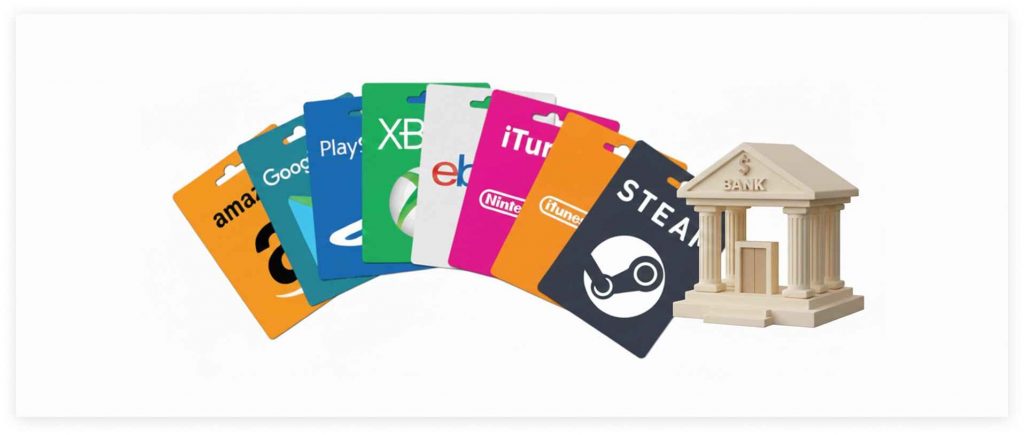
Understanding this shift helps users plan better. Holding gift cards during uncertain periods can protect value. Choosing the right conversion time improves returns. Using secure platforms like ValueSwap reduces risk. The goal is not to avoid banks entirely. It is to use the best tool for each situation.
Conclusion
Gift cards are replacing bank transfers for online payments in Nigeria because they work more reliably. They offer stability, flexibility, and global access. In a fast-changing economy, these qualities matter. The rise of gift cards reflects how Nigerians adapt to financial challenges. Those who understand this shift stand to benefit the most.
Looking for a faster way to turn gift cards into cash or USDT? Chat with ValueSwap on WhatsApp +33758692927 and trade securely with real-time rates and instant payout.